June 18, 2026
A swimming pool is a major investment that depends on several working parts to stay safe, comfortable, and visually appealing. While pumps, filters, chemicals, and covers often get attention, the surface inside the pool matters just as much. A pool liner creates a smooth, protective layer between the water and the structure underneath, helping the pool hold water properly while reducing direct wear on the walls and floor.
For homeowners, this protection can make regular pool care easier and more predictable. A properly fitted pool liner supports the pool’s appearance, helps prevent leaks, and creates a finished surface that feels comfortable underfoot. Whether a pool is used every day during summer or mainly for weekend gatherings, the liner plays an important role in protecting the space people use for relaxation, exercise, and family time.
Protecting the Pool Structure
A pool liner acts as a barrier between the pool water and the materials that form the pool’s shell. Without that protective layer, water could come into direct contact with surfaces that may not be designed for constant exposure. Over time, that can contribute to staining, roughness, corrosion, or other damage, depending on the pool type and surrounding conditions.
The pool liner also helps reduce the chance of water finding small gaps or weak points in the structure. Minor leaks can increase water usage, affect chemical balance, and create hidden issues around the pool area. When the liner is installed correctly, it fits tightly against the walls and floor, helping the pool maintain its shape and function.
This protection is especially important in regions with changing temperatures. Seasonal movement, ground shifts, and freeze-thaw cycles can place stress on pool materials. A well-maintained pool liner helps defend against everyday wear while supporting the long-term condition of the swimming pool.
Improving Daily Comfort
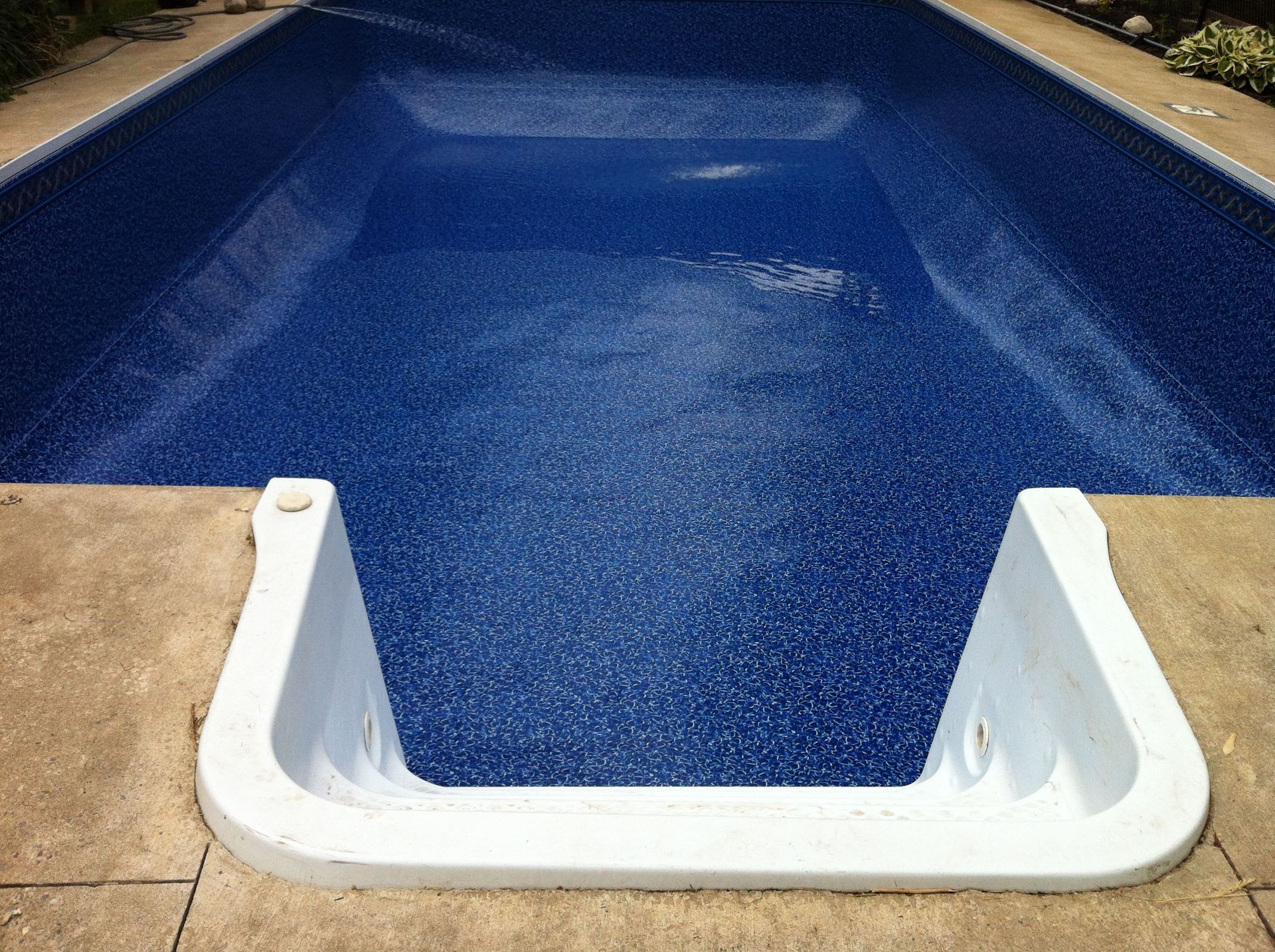
A pool should feel inviting every time someone steps into it. The pool liner contributes to that experience by creating a smooth surface along the pool floor and walls. Instead of rough concrete, sharp edges, or worn areas, swimmers come into contact with a softer, more comfortable finish.
This is helpful for families, guests, or anyone who spends long periods in the water. A liner can make the pool feel more enjoyable for walking, sitting on steps, or leaning against the sides. While safety still depends on proper supervision and responsible use, a smooth surface can reduce some discomfort associated with abrasive pool interiors.
A pool liner also helps improve the look of the water. Liner color and pattern can influence how bright, blue, or reflective the pool appears. That visual effect can make the outdoor space feel cleaner and more appealing, especially when the liner is paired with consistent maintenance. This added comfort can make daily swimming feel easier for children, older adults, and guests who prefer gentler pool surfaces.
Supporting Water Retention
One of the most important jobs of a pool liner is helping the pool hold water. When a liner is in good condition, it creates a watertight surface that limits seepage through the pool walls or floor. This helps homeowners maintain a consistent water level and avoid constantly adding more water than usual.
Water loss can happen for several reasons, including evaporation, splashing, backwashing, or leaks. When the water level drops faster than expected, the liner may be one of the first areas a pool professional checks. Small punctures, tears, or loose sections can allow water to escape.
According to Mordor Intelligence’s market analysis (2025–2030), North America held about 33.6% of the global swimming pool market share in 2024, with strong growth expected through 2030. As more property owners invest in pools, dependable components like a pool liner remain important for protecting water, reducing waste, and keeping the swimming pool ready for regular use.
Reducing Maintenance Problems
A damaged pool surface can make maintenance more difficult. Rough, cracked, or stained areas may collect dirt, algae, or mineral buildup more easily. A pool liner helps create a more even surface, which can make brushing, vacuuming, and routine cleaning more manageable.
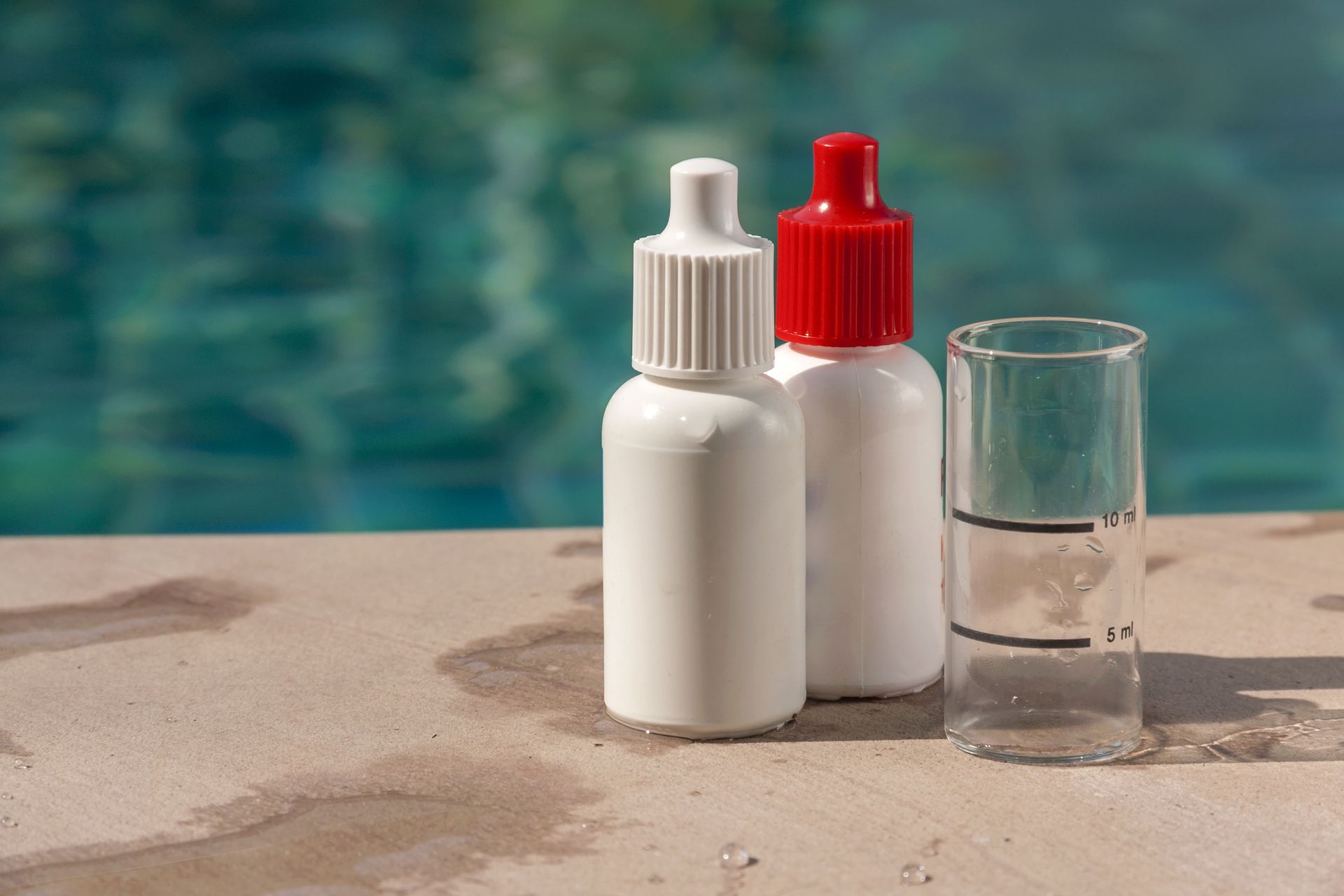
When the liner is in good shape, it can also help the pool’s chemical balance stay more consistent. Leaks, hidden damage, or deteriorating surfaces may interfere with normal maintenance because water levels and chemistry can shift unexpectedly. By helping the pool hold water and maintain a smooth interior, the liner supports a more stable care routine.
Homeowners should still inspect the pool liner regularly. Fading, wrinkling, brittleness, tears, or sections pulling away from the wall can all be signs that service may be needed. Catching these problems early may prevent more extensive repairs during the swimming season.
Enhancing the Pool’s Appearance
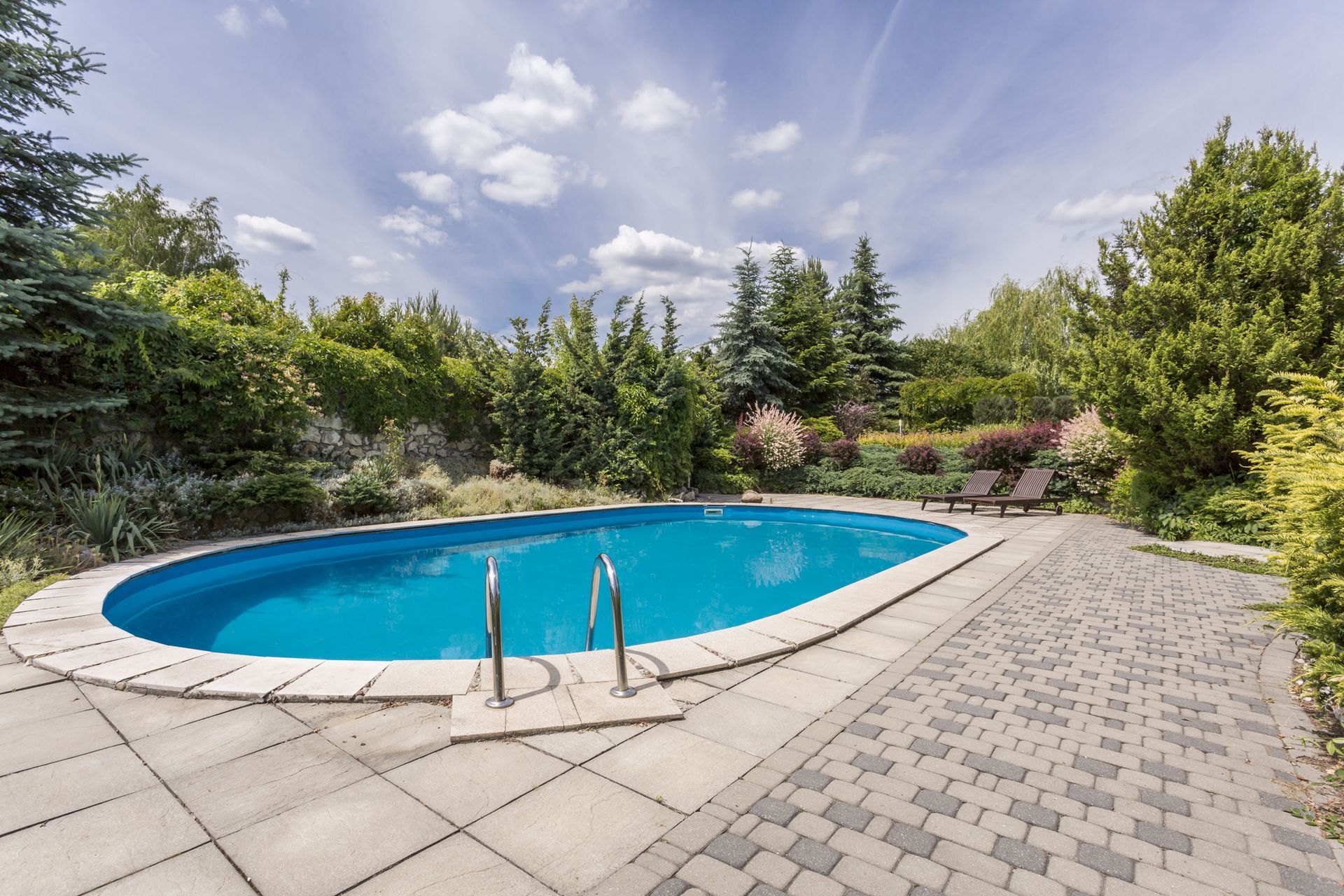
A pool liner is not only practical; it also affects the way the pool looks. Liners are available in many patterns, shades, and finishes, allowing homeowners to update the pool’s style without rebuilding the entire structure. A fresh liner can make an older pool look brighter, cleaner, and more modern.
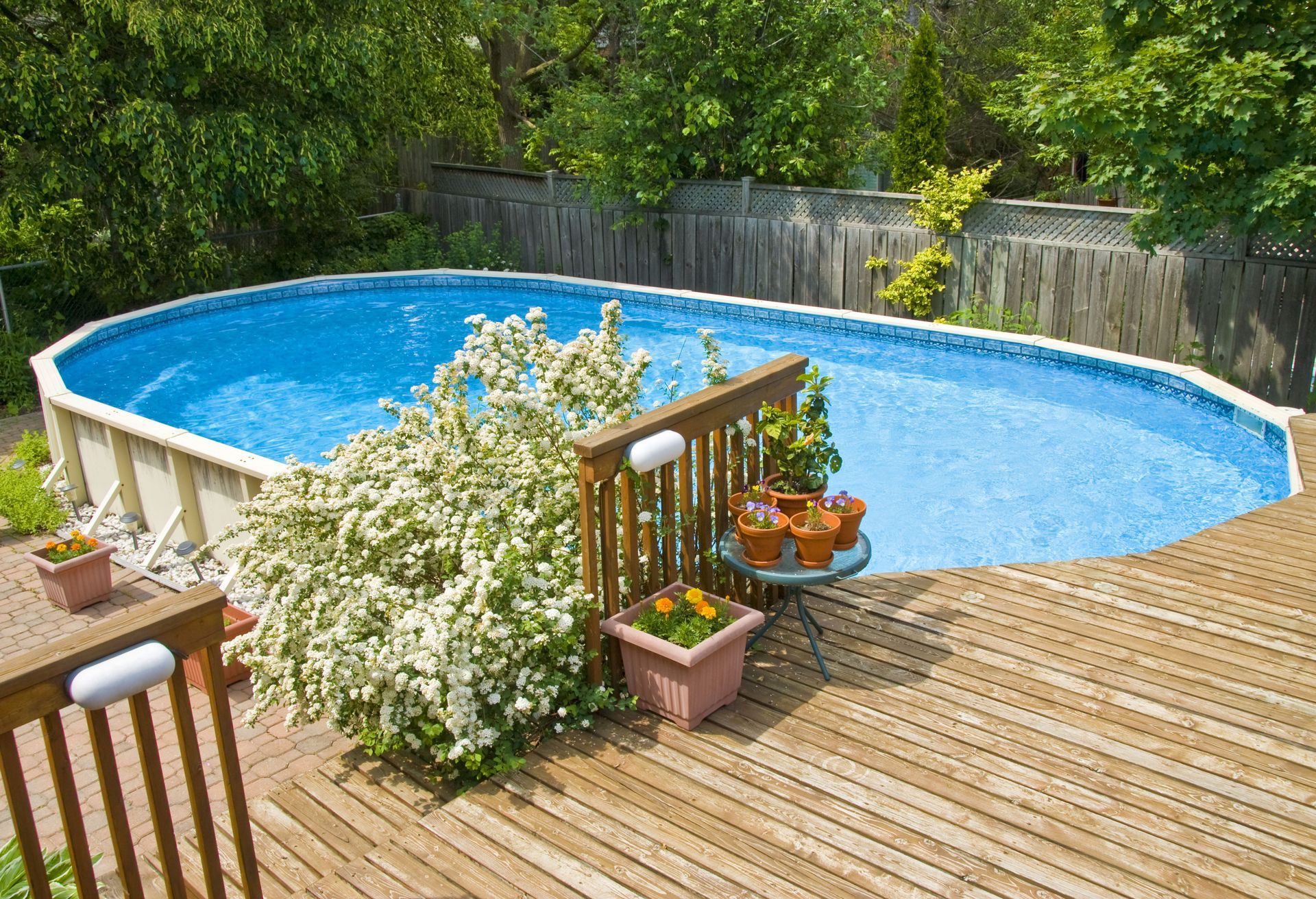
The right design can complement the surrounding patio, landscaping, deck, or outdoor furniture. Some homeowners prefer a simple blue finish, while others choose tile-inspired borders, darker tones, or textured patterns for a more custom look. Because the liner covers such a large visible area, even a subtle design change can make a noticeable difference.
Guests notice the water, the surface, and the overall condition of the pool. A clean, well-fitted pool liner helps create a better first impression and can make the entire backyard feel better cared for.
Preventing Costly Damage
Pool problems often become more expensive when they are ignored. A small tear, loose bead, or worn section of liner may seem minor at first, but it can allow water to reach areas that should stay protected. Over time, that water may contribute to soil movement, wall issues, equipment strain, or additional surface damage.
Replacing or repairing a pool liner at the right time can help homeowners avoid larger complications. Pool professionals can assess whether a liner can be patched or whether replacement makes more sense based on its age, condition, and fit. A liner that has become brittle or stretched may no longer provide reliable protection, even if the damage looks small.
Routine inspections are also helpful before and after heavy use. A dependable pool liner helps protect the pool from preventable damage and supports a safer, more enjoyable swimming environment.
Planning for Professional Service
Although some pool care tasks can be handled by homeowners, liner work often requires professional attention. Proper measurement, installation, alignment, and sealing are important because even small mistakes can affect how the liner fits. A liner that is too loose, too tight, or poorly secured may wrinkle, pull away, or wear unevenly.
Professional service can also help identify the cause of liner problems. For example, wrinkles may come from water behind the liner, poor installation, chemical imbalance, or ground movement. Tears may result from sharp objects, aging material, or improper cleaning tools. Understanding the cause makes it easier to choose the right solution.
A pool liner protects the structure, supports water retention, improves comfort, and helps the entire pool look well-maintained through each busy season of regular use. It also gives homeowners more confidence that routine care is supporting both appearance and function throughout the warmer months ahead. Call Quality Pools Inc. today to schedule your pool service or consultation.